সোমবার, ১৫ জুন ২০২৬, ১০:৫১ অপরাহ্ন



Gambling and the mind unraveling the psychological factors behind casino behavior
The design of a casino is not by chance; it is a carefully curated environment aimed at engaging and enticing players. Bright lights, vibrant colors, and exciting sounds create a sensory experience that stimulates the brain’s pleasure centers. This design not only attracts individuals but also encourages prolonged engagement, leading to higher spending. The layout typically lacks clocks and windows, disorienting players and making them lose track of time, which further compounds the desire to stay and play longer. Players can explore these dynamics at penalty-nationscup.com, where the stakes are high and the excitement never ends.
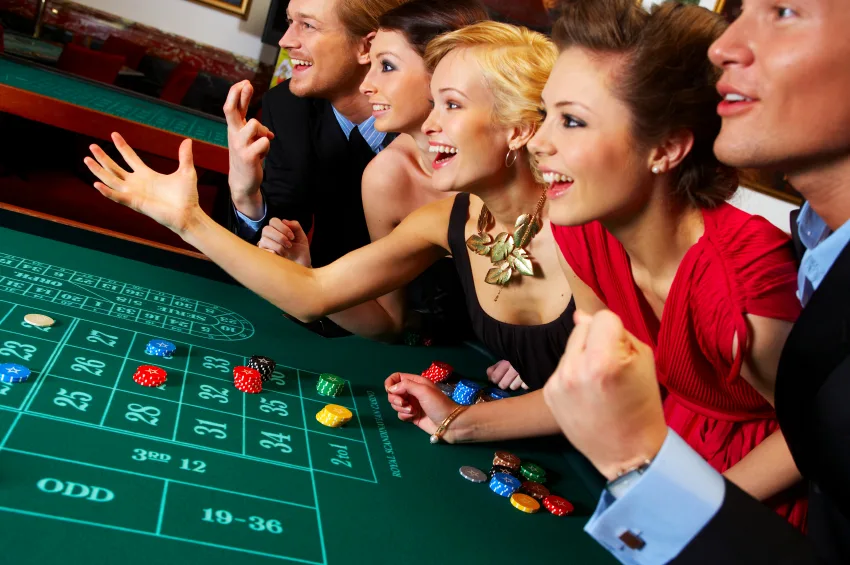
Moreover, the presence of other players amplifies the excitement through social interaction. People often seek companionship or validation in their gambling activities, and being in a bustling environment enhances the thrill of the game. The psychological concept of social proof plays a role here; witnessing others win can create an illusion of better odds and increase a player’s confidence, urging them to gamble more aggressively. This communal atmosphere can sometimes make losing feel less impactful, as players share the emotional highs and lows together.
The allure of instant gratification in casinos also feeds into the human psyche. Unlike many forms of entertainment that require time investment before yielding results, casino games deliver quick outcomes. This immediacy satisfies a fundamental human desire for immediate rewards, thereby reinforcing gambling behavior. With every spin of the slot machine or shuffle of the cards, players experience brief moments of euphoria, encouraging repeat visits to the casino and fostering a cycle of gambling that can become hard to break.
Cognitive biases significantly impact gambling behavior, often leading individuals to make irrational decisions. One prevalent bias is the gambler’s fallacy, where players believe that past outcomes influence future events. For instance, if a roulette wheel has landed on red several times consecutively, players may erroneously assume that black is due to occur. Such misconceptions stem from a misunderstanding of probability, leading to increased bets based on flawed logic. This fallacy can result in substantial financial losses as players chase perceived ‘due’ outcomes.
Another common cognitive bias is the illusion of control, where gamblers believe they can influence the outcome of a game, particularly in games of chance. Players might think that specific strategies or rituals can enhance their chances of winning. This belief can lead to an overestimation of their skills and an underestimation of the inherent randomness of the games. The thrill of feeling in control can be addictive, encouraging more frequent gambling despite the odds being stacked against them.
Furthermore, the concept of selective memory plays a significant role in gambling. Players often remember their wins while downplaying or forgetting their losses, which skews their perception of their overall success. This bias can create an illusion of winning streaks, fueling a continued desire to gamble. As players dwell on the high points, they become more emotionally attached to the activity, making it difficult to recognize when to stop. Understanding these cognitive biases is crucial for individuals who wish to make informed decisions about gambling.
Emotions can greatly influence gambling behavior, often leading to impulsive decisions and irrational betting patterns. For many, gambling serves as an escape from stress or emotional distress. The thrill of potential winnings can temporarily alleviate feelings of anxiety or depression, creating a vicious cycle where players gamble to cope with their emotions. This emotional connection to gambling can be particularly dangerous, as individuals may find themselves betting larger amounts to chase that initial high, ultimately leading to negative consequences.
Additionally, the excitement of gambling can trigger adrenaline rushes, which many find exhilarating. This high can overshadow the logical aspects of betting, leading to poor decision-making. When players experience a winning streak, they often feel invincible, leading to increased bets and a false sense of security. However, when losses accumulate, feelings of frustration can result in reckless gambling behavior, as players try to recover their losses through higher stakes, often resulting in deeper financial troubles.
Moreover, the unpredictability of gambling outcomes can create a rollercoaster of emotions, from euphoria to despair. This emotional rollercoaster can be addictive, as individuals seek to replicate the highs while ignoring the potential for devastating lows. Understanding the emotional dynamics involved in gambling is critical for those who wish to maintain control over their behavior and make informed decisions when engaging in gambling activities.
Personality traits significantly shape gambling behavior and the extent to which individuals engage with casino activities. For example, individuals with high levels of thrill-seeking or risk-taking tendencies are more likely to gravitate toward gambling environments. These individuals often find excitement in uncertainty and are drawn to the potential for high rewards, sometimes disregarding the risks involved. This trait can lead to compulsive gambling behaviors, as the adrenaline rush associated with risk becomes increasingly appealing.
Conversely, individuals with lower levels of self-control may struggle to resist the allure of gambling, especially in an environment designed to be enticing. They may find it challenging to set limits on their gambling expenditures, leading to potentially harmful financial consequences. Recognizing personality traits can help individuals better understand their gambling tendencies and enable them to adopt strategies to moderate their behavior.
Furthermore, the concept of impulsivity is closely linked to gambling behavior. Impulsive individuals may have difficulty delaying gratification and often act without fully considering the consequences of their actions. This trait can lead to spontaneous gambling decisions, contributing to escalating bets and riskier behavior. Awareness of these personality traits can help individuals create more structured gambling experiences, reducing the likelihood of falling into problematic behaviors.

Understanding the psychological factors behind casino behavior can significantly enhance player experiences and promote responsible gaming practices. By acknowledging the cognitive biases, emotional influences, and personality traits that play a role in gambling, individuals can develop strategies to mitigate the risks associated with excessive gambling. Casinos can also implement responsible gaming measures, such as providing information on odds, setting limits on betting amounts, and offering tools for self-exclusion to promote healthier gambling habits.
Furthermore, educational initiatives focused on gambling psychology can empower players to make informed decisions. Understanding the true nature of gambling odds and the randomness of outcomes can help demystify the allure of casinos and reduce unrealistic expectations. Knowledge is a powerful tool; when players are informed, they are more likely to approach gambling with caution, keeping their experiences enjoyable without compromising their well-being.
Incorporating psychological insights into gambling experiences can lead to a more balanced approach, where entertainment is prioritized, and the risks are well understood. For online casinos, creating an environment that fosters responsible gaming can not only enhance player satisfaction but also build trust and loyalty among users. Responsible gaming practices aligned with an understanding of psychological principles can pave the way for a safer gambling landscape.












Leave a Reply